
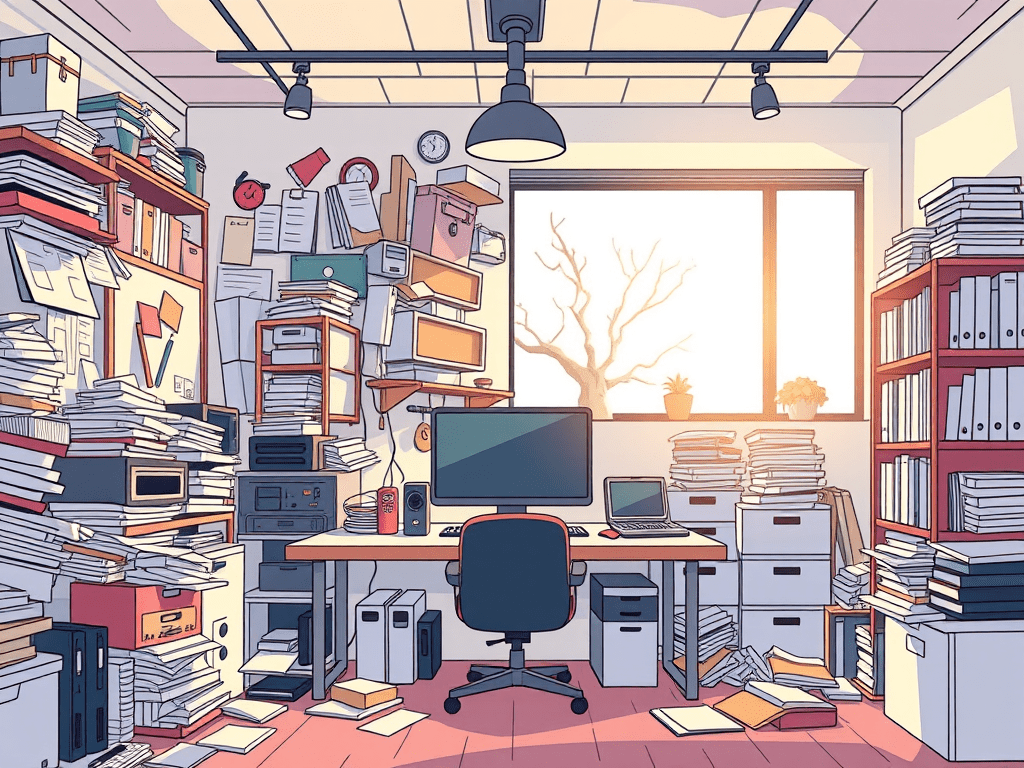
It’s easy to lose track of mental clarity in today’s hyper connected world when it’s like trying to find a quiet corner in Times Square during rush hour. By mid afternoon our brains are scrambled eggs because we are constantly bombarded with alerts and deadlines as well as a seemingly endless amount of information. I’ve been there, too — sitting in front of my computer screen, staring, wondering how I spent three hours doom scrolling instead of writing that damn project I should have been working on. But here’s the thing: Managing your mental energy is not about superhuman concentration powers but rather an understanding of how your brain works and the creation of systems that actually make sense for your life.
Understanding Mental Energy: More Than Just Willpower
(Mental) energy ain’t some magical comodity y’all either have or don’t have – let’s get real here for a second. It’s more like your phone’s battery: Plus, it has to be recharged regularly and different things use up its juice at different speeds. The problem is most of us treat our brains as infinite power supply, and then it’s no wonder we crash and burn by Wednesday.
The Science Behind Mental Fatigue
Fascinating piece of gray matter that you got there, your brain uses about 20% of your body’s energy, but accounts for only 2% of your body weight. It’s like having a mini sports car engine that essentially guzzles fuel. In fact, when we’re doing mentally demanding tasks we’re actually burning glucose and oxygen at an amazing rate. That’s why you can feel more physically fatigued from a day of thinking really hard than you have from a day of running around (even if you didn’t budge from your desk, like me and my forgotten stand up breaks).
Common Misconceptions About Focus
Here’s something that might blow your mind: multitasking isn’t real. Yep, you read that right. Our brain can quickly switch from one task to another, but each switch is a cognitive cost. Imagine having to cook three different recipes at the same time – you could be doing it super efficiently, but also you’re more likely to burn something or put sugar into your pasta sauce instead of salt (I know this because it happened…).
Practical Strategies for Energy Management
Okay, so now we know why our brains get tired, so now let’s talk about what we can actually do about it. And no, drinking more coffee isn’t the answer (although I’m not shaming you if that’s the strategy you’re taking — we’ve all been there).
Time Blocking: Your New Best Friend
Time blocking is a GPS for your brain for the day. Unlike allowing your attention to jet off around aimlessly, you are setting specific places for your attention to land. Be realistic – don’t book yourself like a robot. The hard way I learned this when trying to plan every second of my day, only for it all to come crashing down around me when my cat decided my keyboard would make a great spot for a catnap.
The Power of Strategic Breaks
Breaking isn’t laziness — it’s smart resource management of your mental resources. This is like an interval training for your brain. You might be surprised to learn that taking time away from work actually makes you more productive, but the breaks you take aren’t productive if you scroll through your social feed in between meetings. But actually try something that allows your brain to relax, a short walk, or merely looking out the window for a few minutes.
Environmental Optimization
What you realize is that your environment has a bigger impact on your mental energy than you may realize. But it’s about more than a clean desk (though that helps) – it’s about a space that imitates your brain’s natural tendencies.
Digital Decluttering
We have to be honest here – our digital environments are always complete chaos. Our brains feel overwhelmed between endless browser tabs (I currently have 47 open, don’t judge), notification badges that are yelling at us, and email inboxes that look like digital hoarding. First, turn off non essential notifications and make your digital workspace categorized. Amazing how much mental enery you can reclaim just not seeing that little red badge saying ‘1,384 unread emails’
Physical Space Organization
You don’t really know what your physical environment does to your mental state. Even if you’re not cognizant of it, a cluttered space puts low key stress into your brain that your brain always has to process. Don’t worry though, you don’t have to be a minimalist overnight – but at least start with one work space. Now before you start laughing at the idea of sleeping on a couch, no it doesn’t count. (Even if it looks super comfy.)
Advanced Energy Management Techniques
Once you have the basics down, you can begin integrating more sophisticated strategies into the way you manage (and conserve) mental energy. These aren’t shortcuts – they’re a plan for investing in your cognitive capacity over the long term.
Energy Mapping
Take note of your natural energy patterns during the day. At what point during the day do you most naturally feel alert? When your brain is feeling like you’re trying to think through fog. Either map these patterns out or plan to do your most important tasks when you have peak energy. Surfing is another model — you’ll get much better results if you work with the waves instead of against them.
Cognitive Load Balancing
Just like money, consider mental energy as a budget that you don’t want to squander. We do some tasks that are heavy cognitive lifting (like strategic planning or creative work) and others that are more routine (if you if checking emails or updating spreadsheets). The trick is not to do all of your high-energy tasks in a cluster. Back when I was doing CrossFit, it was like planning a workout — you wouldn’t do all your heaviest lifts one after the other, right?
The Role of Physical Health in Mental Energy
If it’s impossible to speak of mental energy without addressing what physical stuff impacts mental energy, I think we need to start to acknowledge that we are indeed physical beings. But your brain isn’t floating in space—your brain is part of your body, and what happens to one happens to the other.
Sleep: The Ultimate Reset Button
If you’re like most of us, we know we should get enough sleep, but it’s usually the first thing we sacrifice when we’re busy! The irony here is that it’s sleep deprivation that makes everything else harder. If you don’t get enough sleep, your brain actually doesn’t get any of this important maintenance work done, they clear out cellular debris and consolidate memories. Imagine trying to run your computer and never allowing it to install updates – it’s just a matter of time before it gets glitchy.
Movement and Mental Clarity
Not only is exercise important for physical fitness – it’s the single best thing you can do to increase your mental energy. Researchers say a short walk will increase blood flow to your brain and improve cognition. And movement affords your mind a chance to process information differently. I’ve had some of my best ideas walking my dog, as my brain got some space to conjure up ideas without a screen in front of it.
Conclusion: Your Personal Energy Management System
Learning to manage your mental energy isn’t about finding some kind of perfect system from someone else – it’s about knowing your patterns, and figuring out what works for you with your life. Start small, be consistent, and last of all, have patience with your own self. You aren’t trying to become an annoying productivity robot; you’re just learning how to build healthy habits that allow you to think clearly and work effectively.
What works for you is the key. However that looks for you, perhaps that means morning meditation or afternoon dance breaks, there is no one size fits all. It is an effort to leave each day feeling accomplished, not spent and exhausted, and wanting to wake up and jump into the day full speed ahead. But what if you discovered yourself refreshing that page instead of working, every day? If you’re human, it means you’re well.



 LekFex